Conservation Photography
Pristine landscape and wildlife photography may unintentionally communicate abundance—a narrative that everything is fine. When we see images of wildlife it’s easy to assume the animals are healthy and plentiful. When we see National Parks, or trending vistas, it’s easy to imagine the land beautiful.
The reality is that our earth is struggling, and unmarred landscapes are increasingly small pockets in a world that’s rapidly losing her wild.

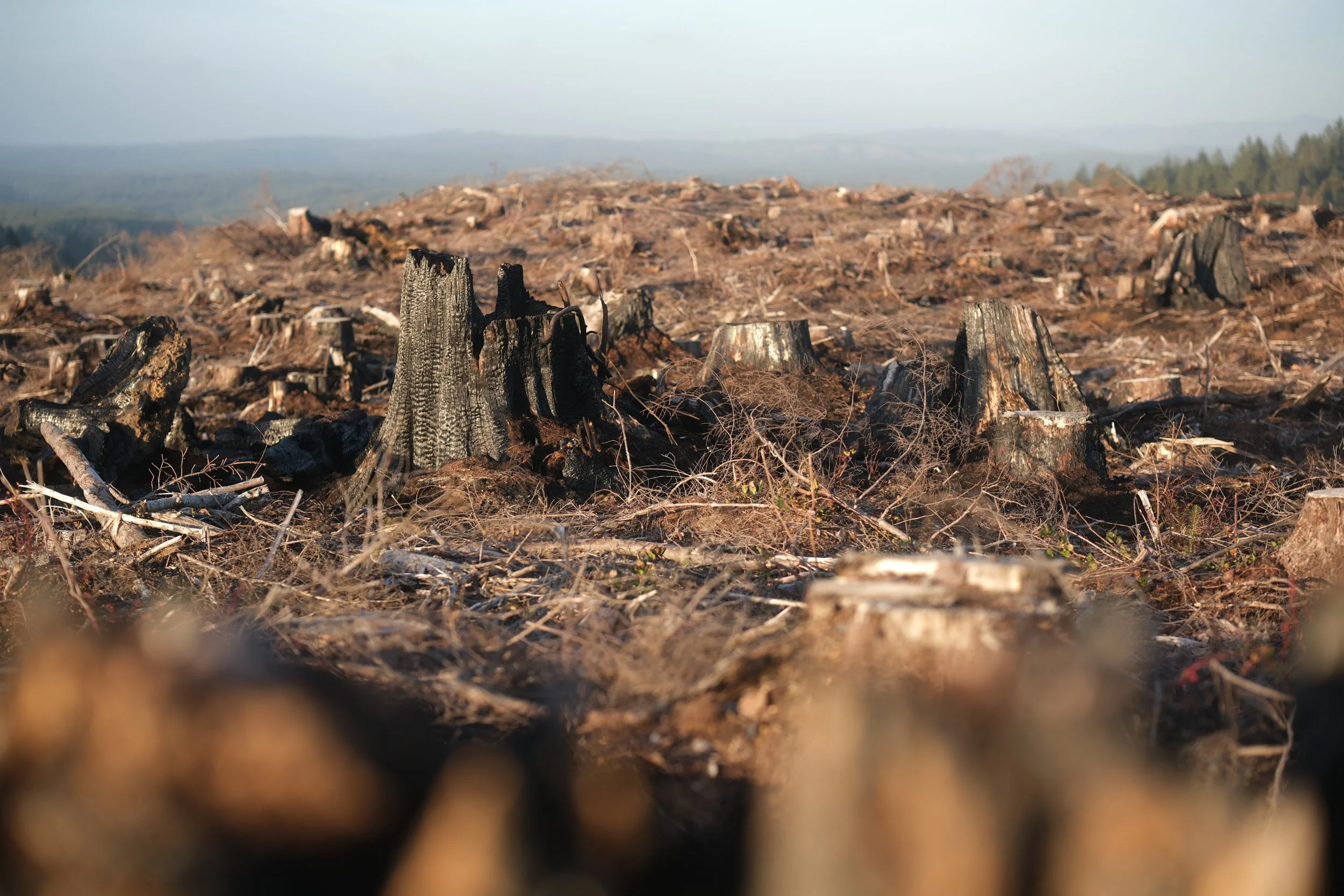
Exposed earth from a land decimated by logging.

Oregon's trees stacked at port to be shipped internationally. Most of Oregon's forests are not used locally, more demand can be found elsewhere.
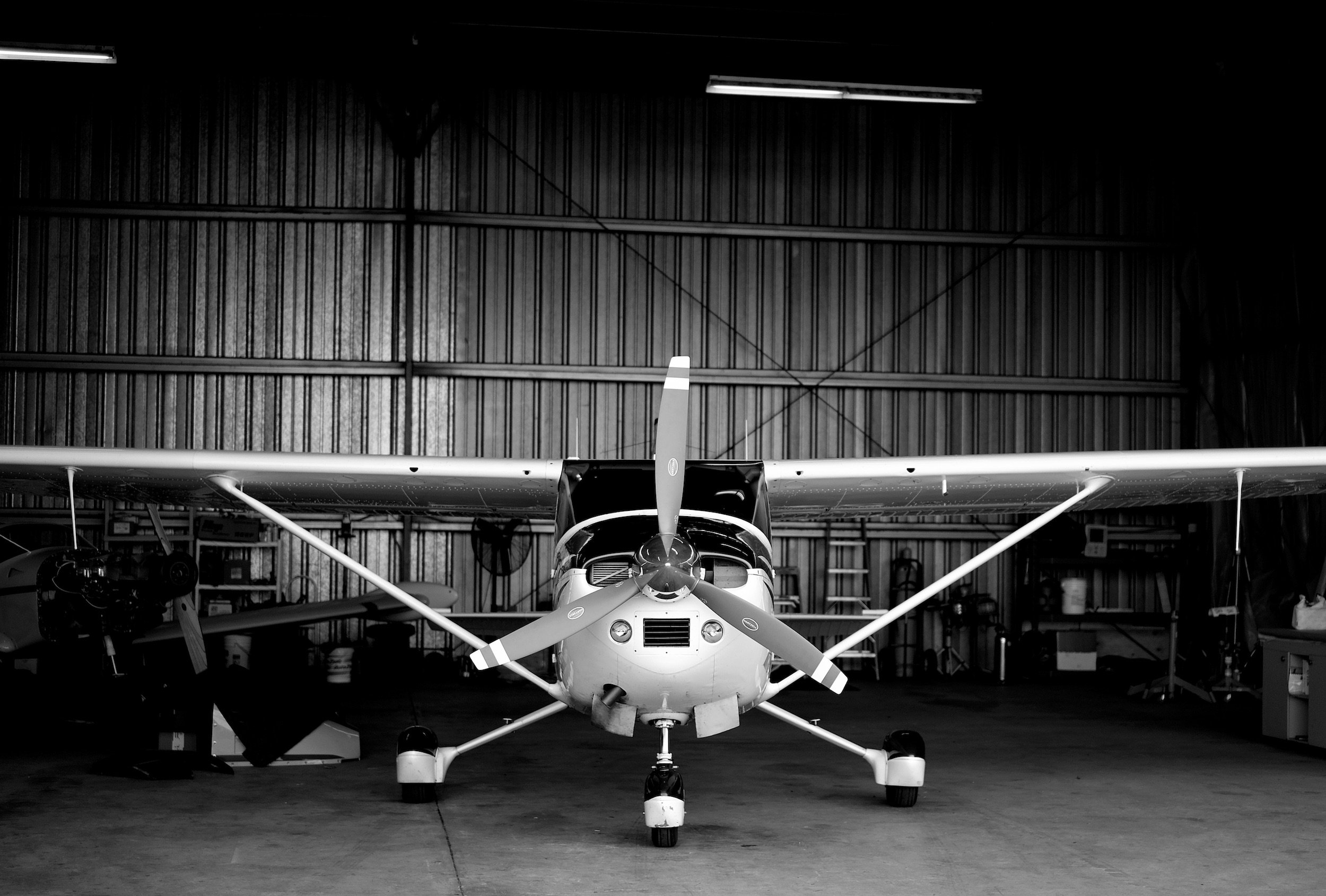
When I started flying as a fire pilot I was drawn to photographing the beauty of Oregon...

...

....but from this new perspective I began to notice more...

...from the sky, we can see the enormous influence we have on the land, we quickly learn how our story is being carved onto the earth. As David Attenborough says:
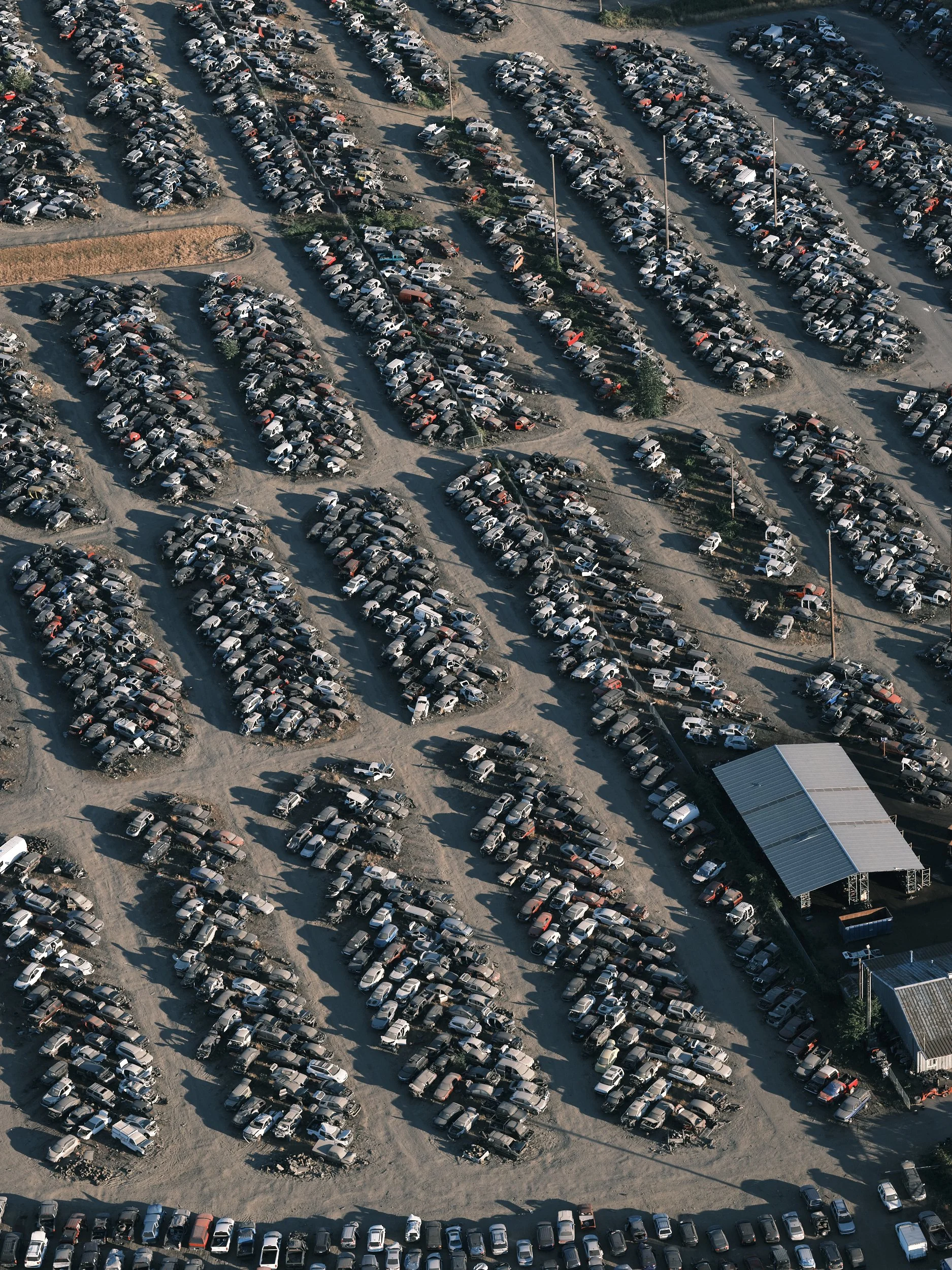
“We have replaced the wild with the tame. We regard the Earth as our planet, run by humankind for humankind. There is little left for the rest of the living world. The truly wild world–that non-human world–has gone. We have overrun the Earth.”

Over time you notice how fast we can harvest resources. More efficient machines make quick work of the land and trees. They do the jobs that were once done by many hands. Given time I wonder when we'll have consumed the mountains.
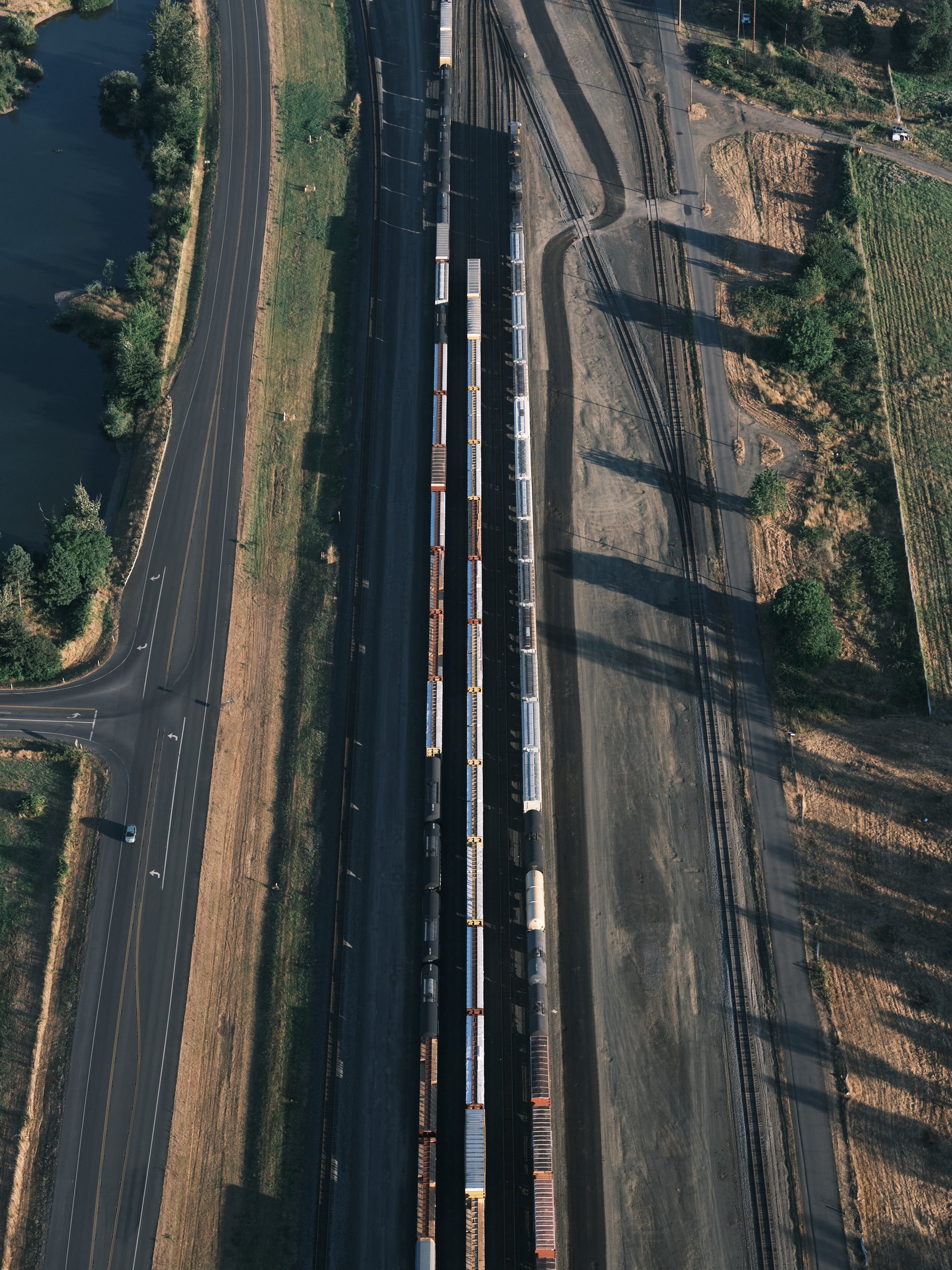
Aerial view of a train on railroad tracks loaded with Oregon's forests, these are the veins that feed empires.
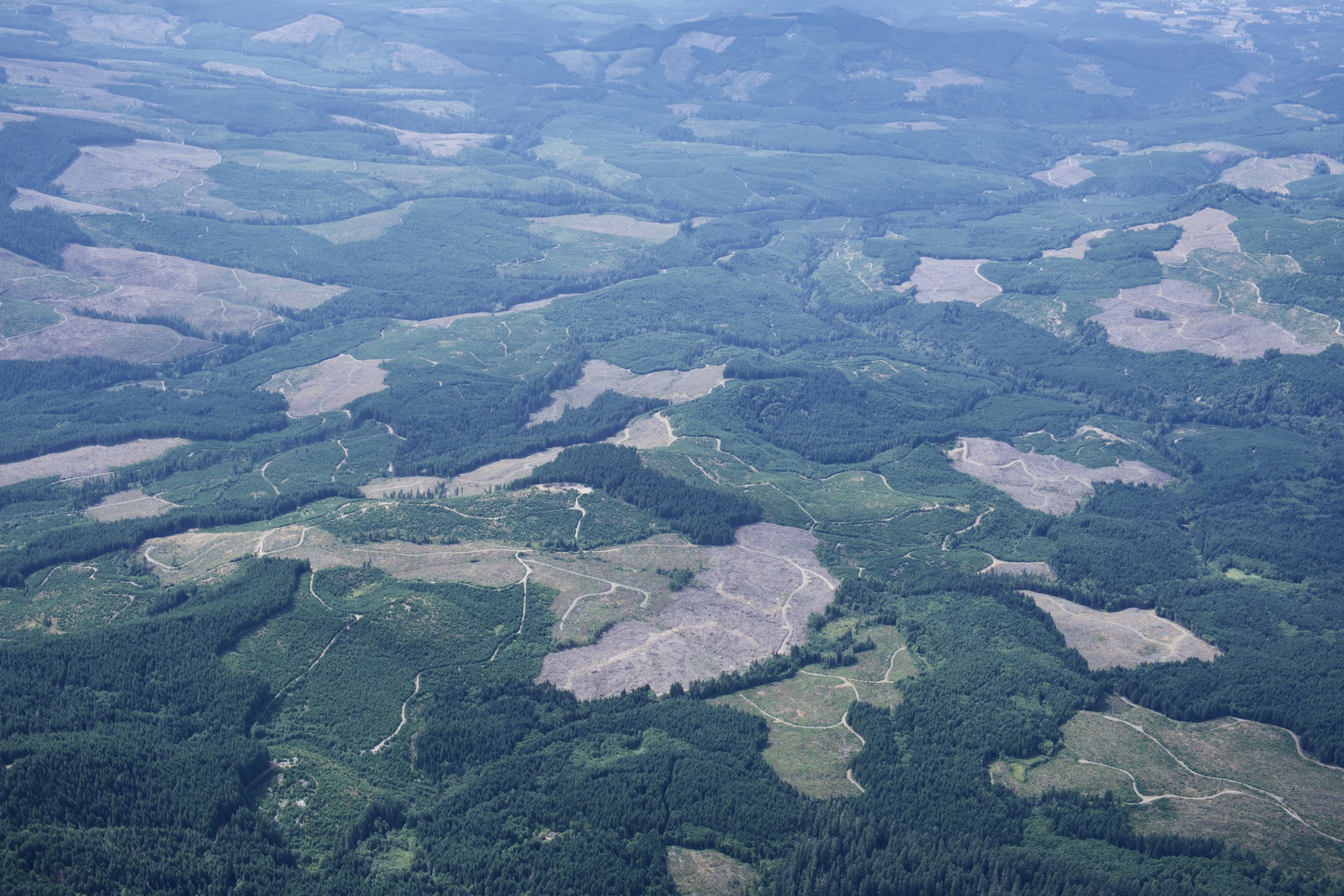
Land exposed to the sun from deforestation is dry and barren. From the sky I began to wonder how this land would handle fire.

And in 2020 we found when just over 1,200,000 acres burned nearly overnight. Much of that land was deforested and looked like the prior photograph.
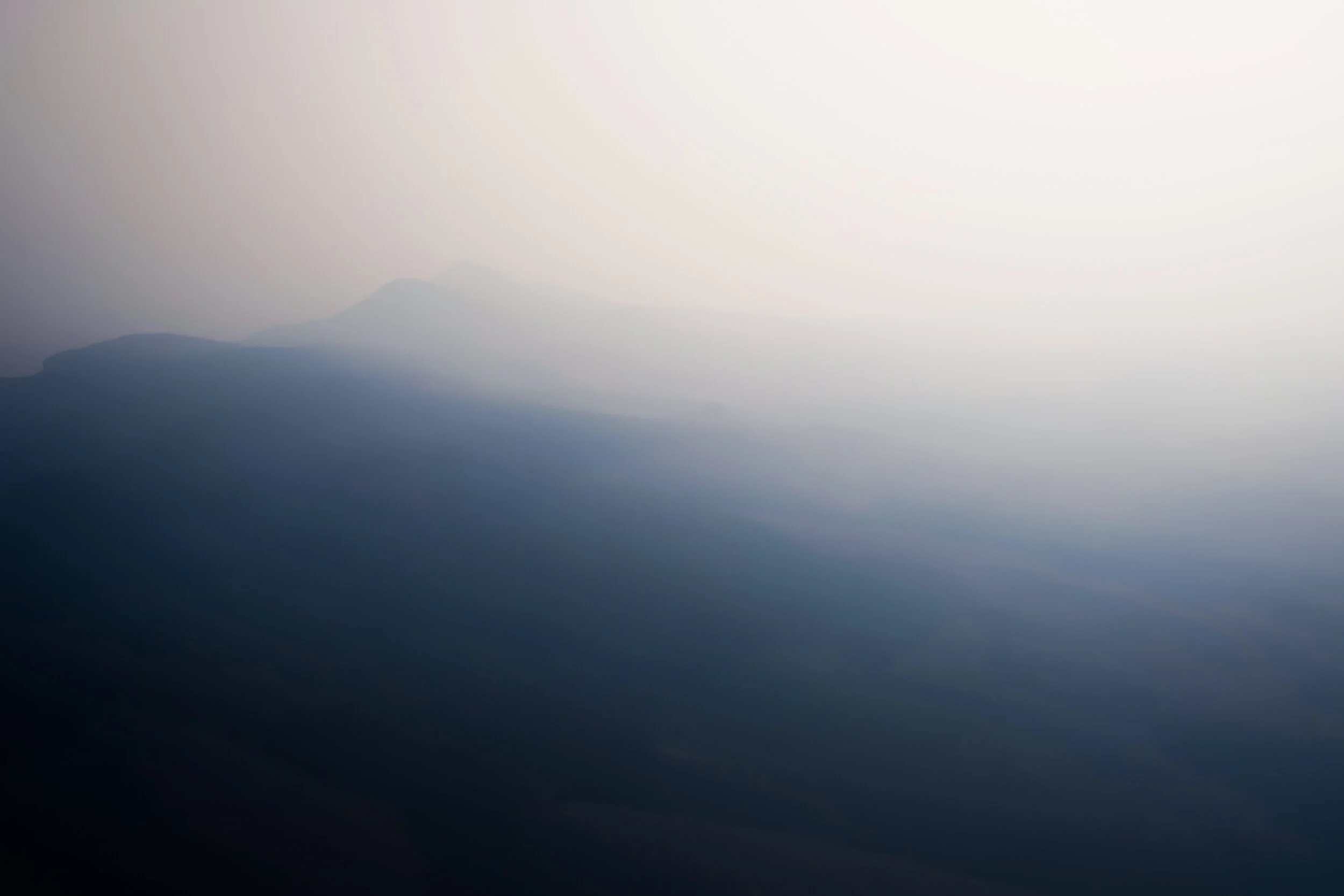
For days afterward, smoke blanketed the land and we couldn't see the full scale of destruction from the air.

Charred landscape from the Santiam Fire spread from where we are flying (around Mill City) to Seekseekqua (Mt. Jefferson), partially obscured by clouds on the distant horizon. A fellow pilot turned conservationist died in this fire.

A closer look at part of the burn at Mt. Nebo. Here the trees could've been left to be absorbed back into the land and as resources for animals.

However, even after the fire, the land was stripped further. There was now an excuse for more logging in what would be called a "salvage operation".
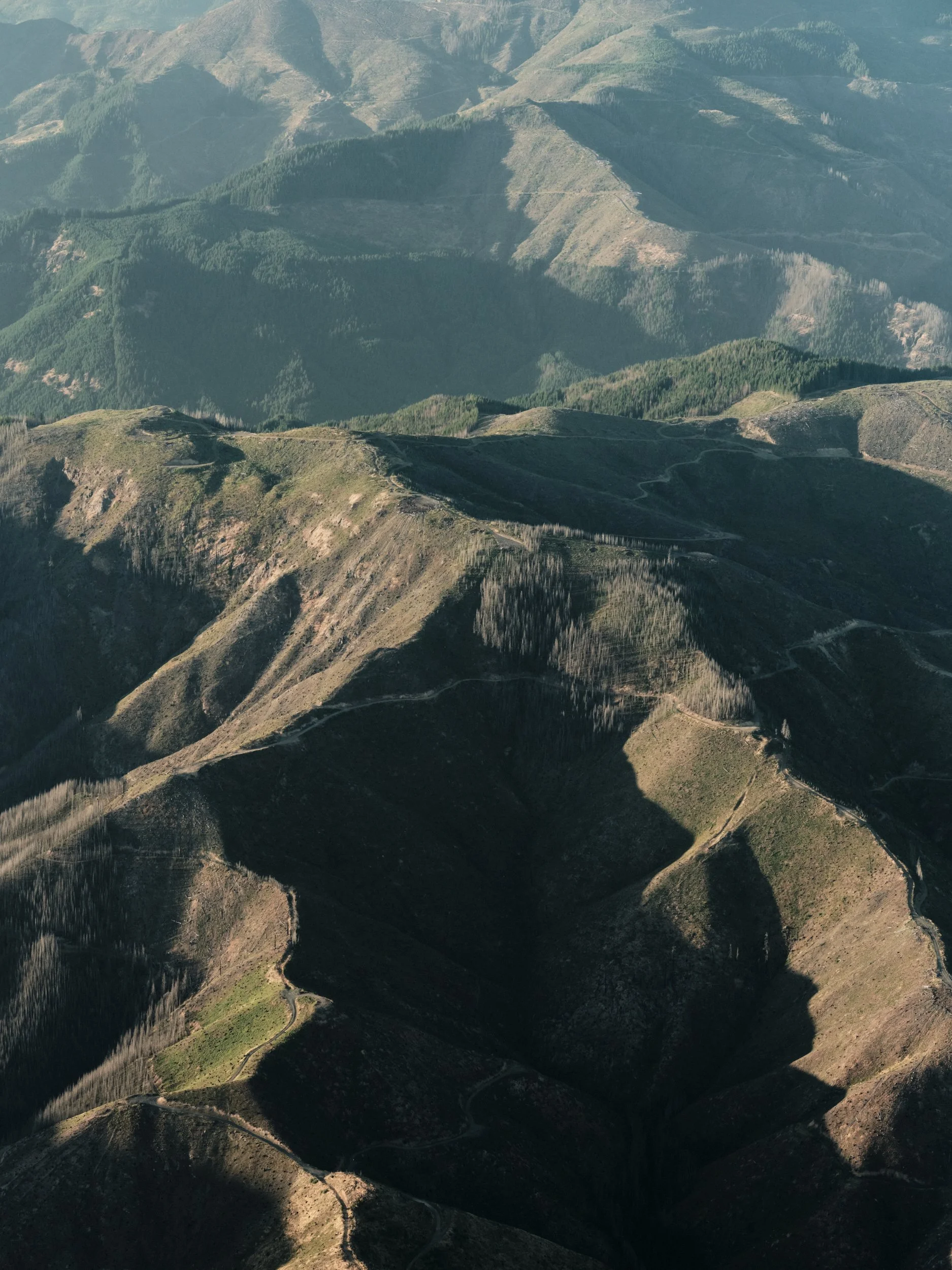
The land would be torn into. Destruction in the wake of destruction.

Today the deforestation continues but at a higher rate. Many logging jobs have already been lost to more efficient machines and one day soon, the forest will run out, and so will those jobs.

Wildfires are becoming more frequent and unnatural due to climate change and drought. As a certified aviation weather observer with a decade of experience, I’ve witnessed undeniable trends: melting glaciers, increasing drought, and warmer summers.
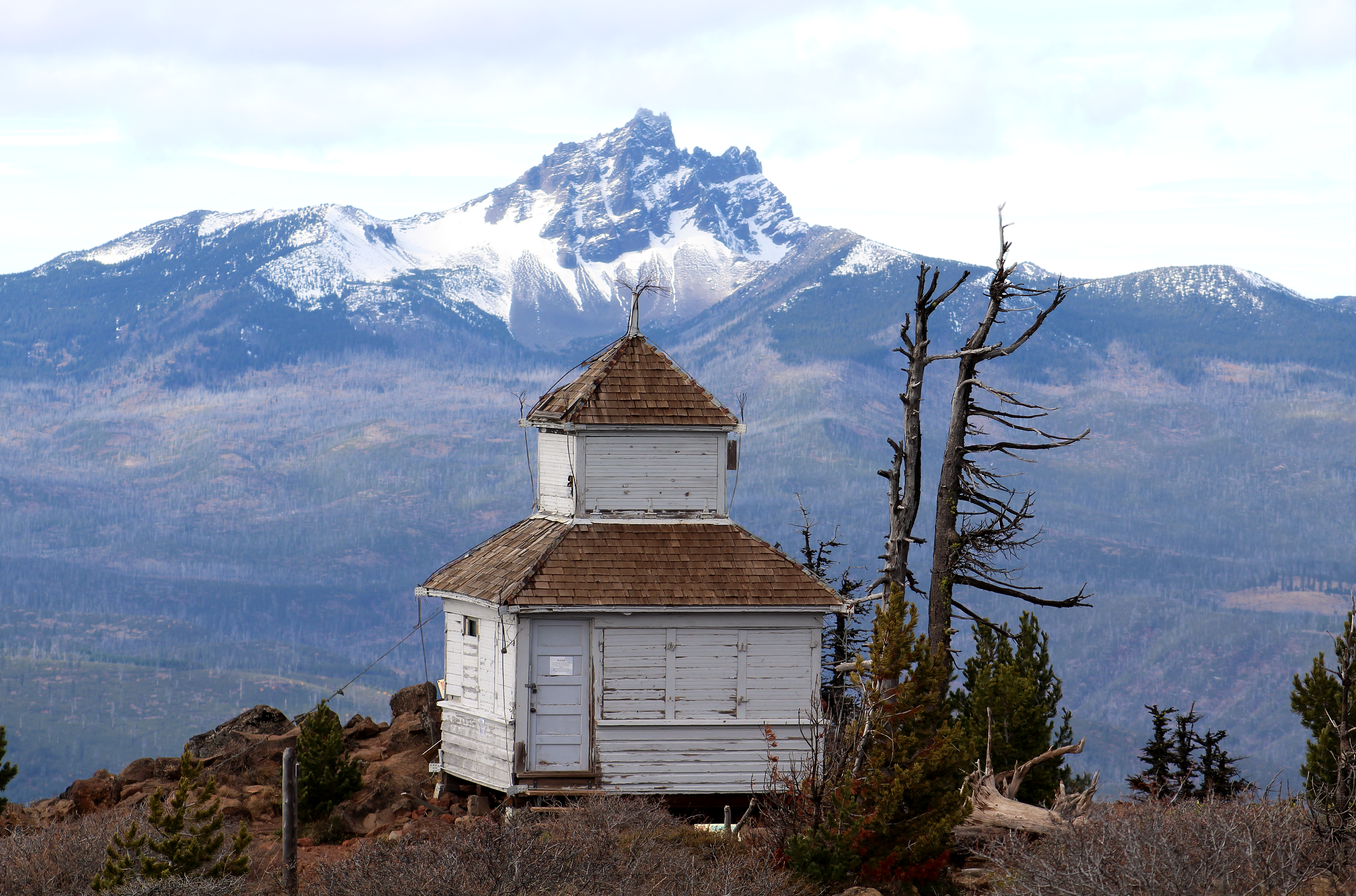
Without the forest we noticed the air over the Holiday Farm fire was 10° warmer at altitude. The trees no longer exist to absorb the heat.
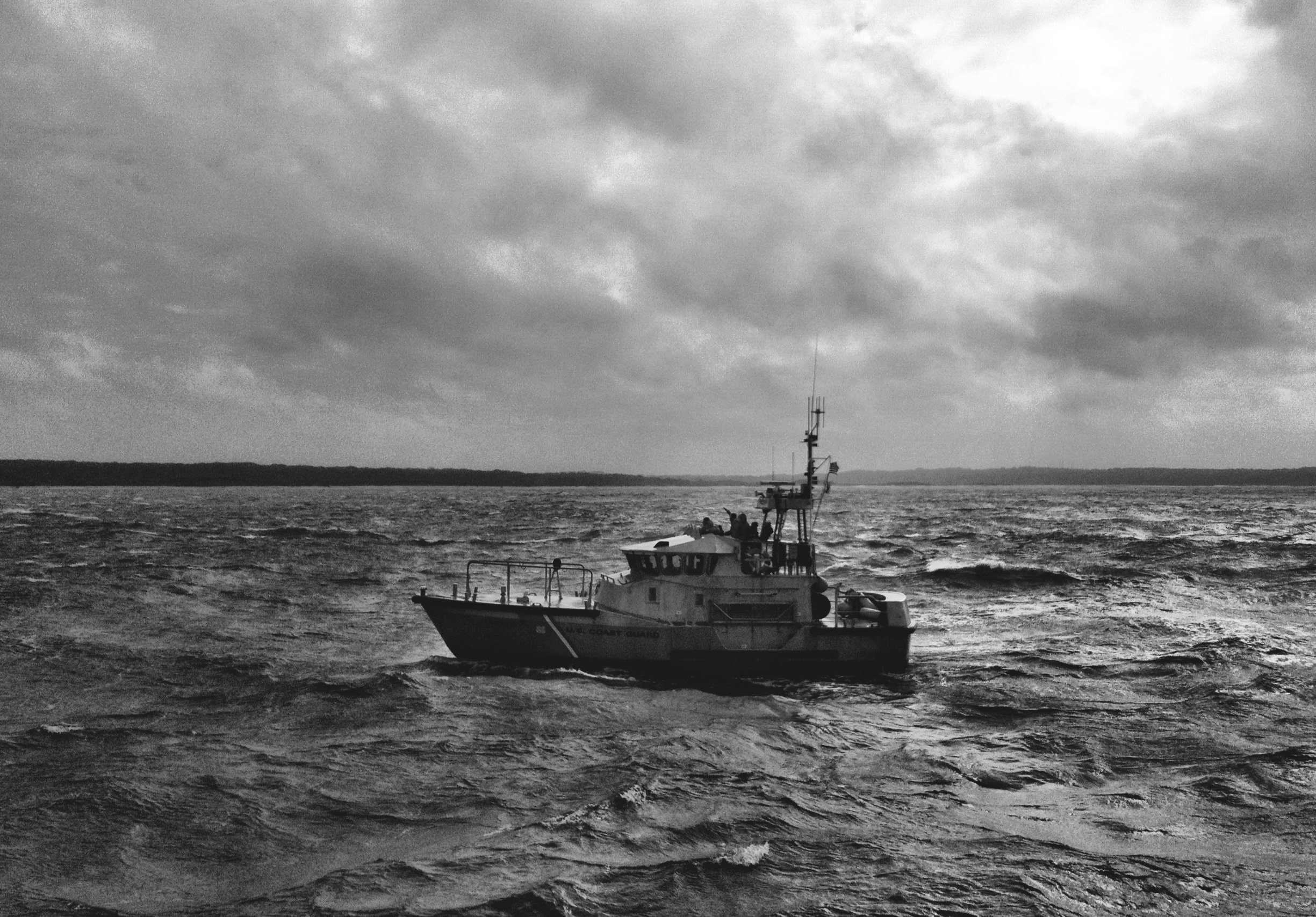
Serving in the USCG, I witnessed numerous natural disasters, including Hurricane Sandy. In 2010, I responded to the human-caused BP oil spill, witnessing the destruction of land and wildlife from 4.9 billion barrels of oil spilled into the Gulf of Mexico.

All are consequences of our shortsightedness, unpreparedness, and our relentless pursuit of more. We race through nature for short term profit and leave little for the future generations of people and animals.
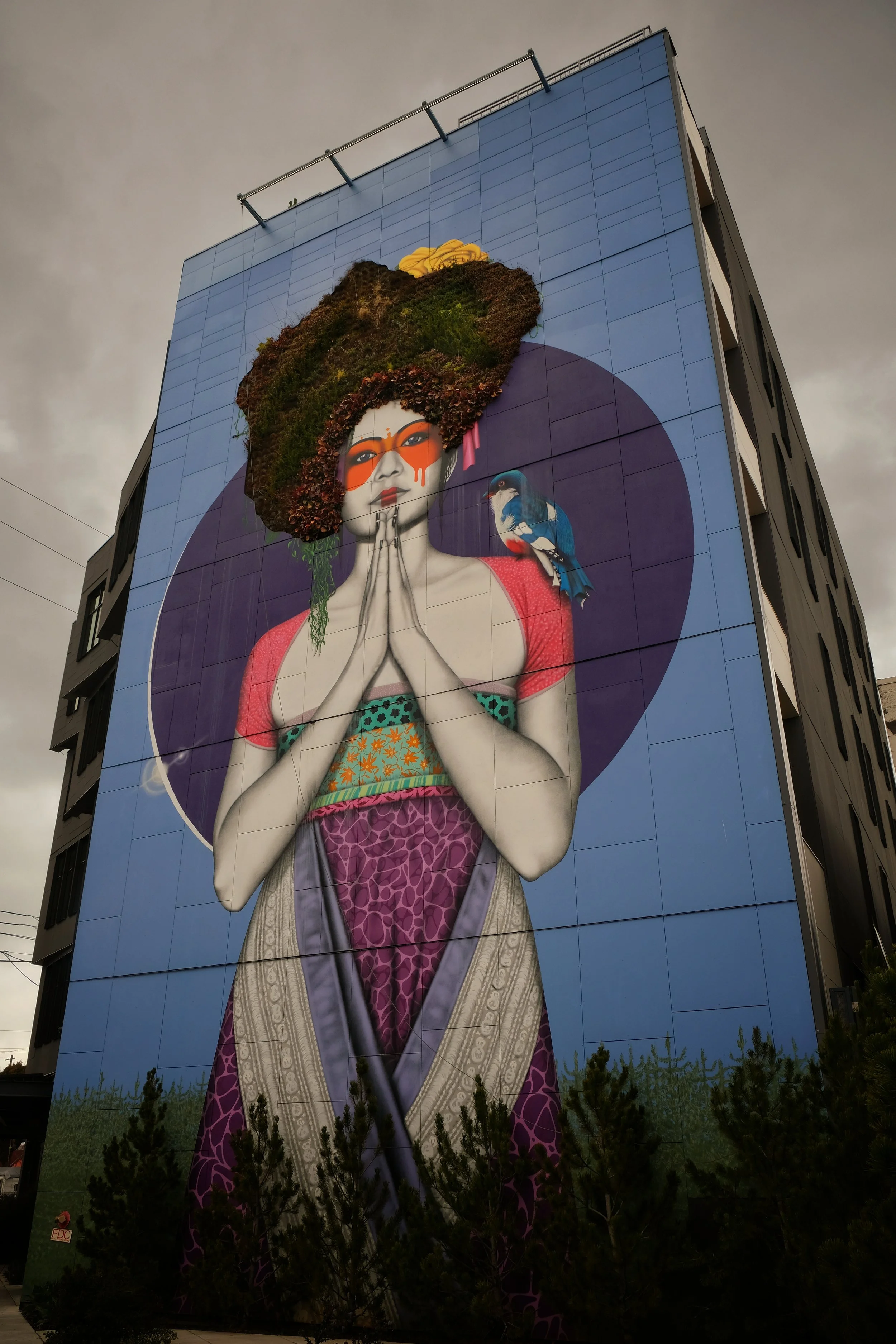
1937 World Population: 2.3 billion Carbon in the atmosphere: 280 parts per million Remaining Wilderness: 66%

2020 World Population: 7.8 billion Carbon in atmosphere: 415 parts per million Remaining Wilderness: 35%
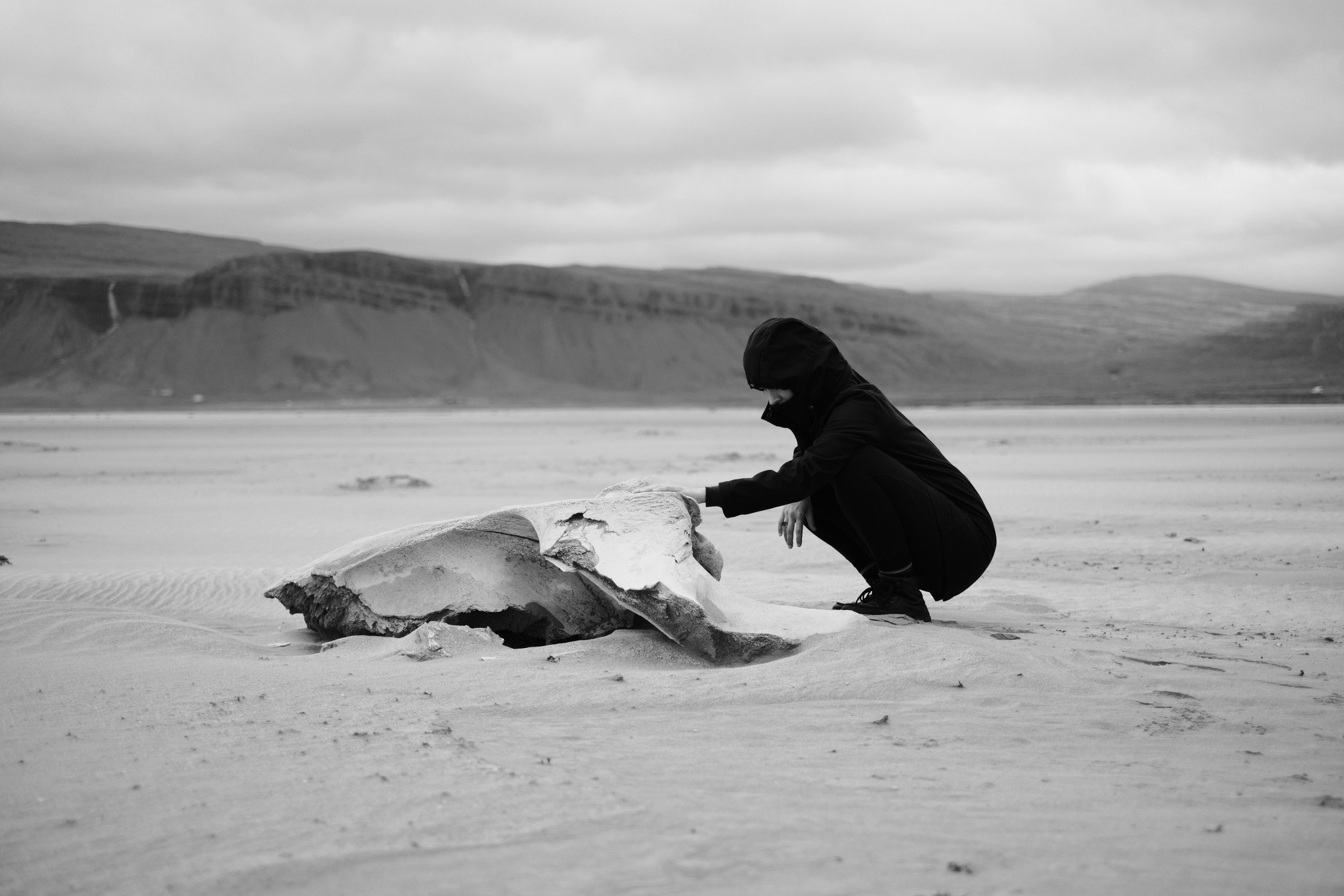
2026 World Population: 8.3 billion Carbon in atmosphere: 432 parts per million Remaining Wilderness: 23%
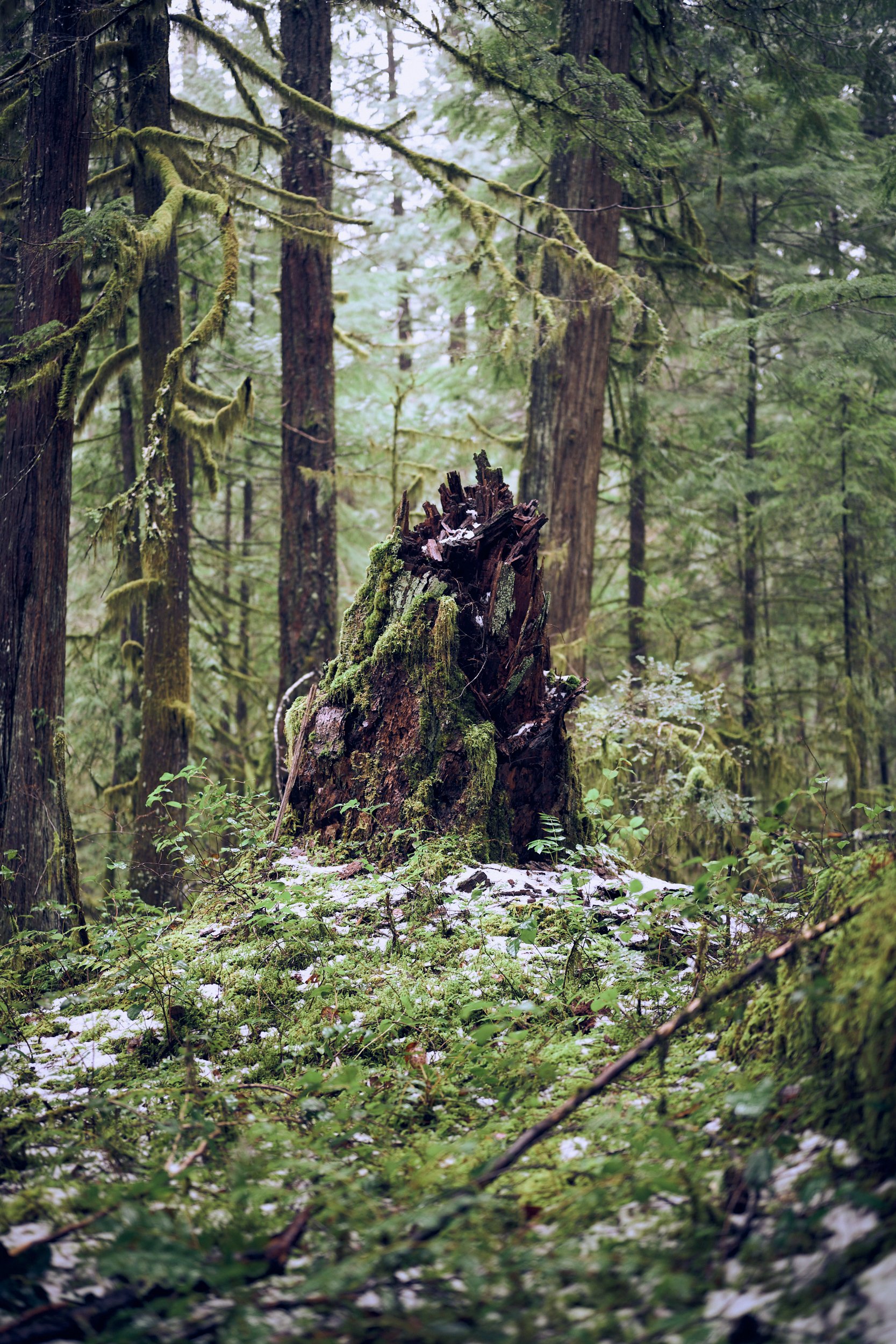
When left alone and respected the land can heal. The answers have been known by those before us, we just need to reconnect with them and listen to those voices.

“The old Lakota was wise. He knew that man's heart away from nature becomes hard; he knew that lack of respect for growing, living things, soon led to a lack of respect for humans too." – Luther Standing Bear

“At the heart of this story, I think, is a simple, abiding belief: it is possible to live wisely on the land, and to live well. And in behaving respectfully toward all that the land contains, it is possible to imagine a stifling ignorance falling away from us.” – Barry Lopez, author who lost his home in the 2020 Holiday Farm fire.